


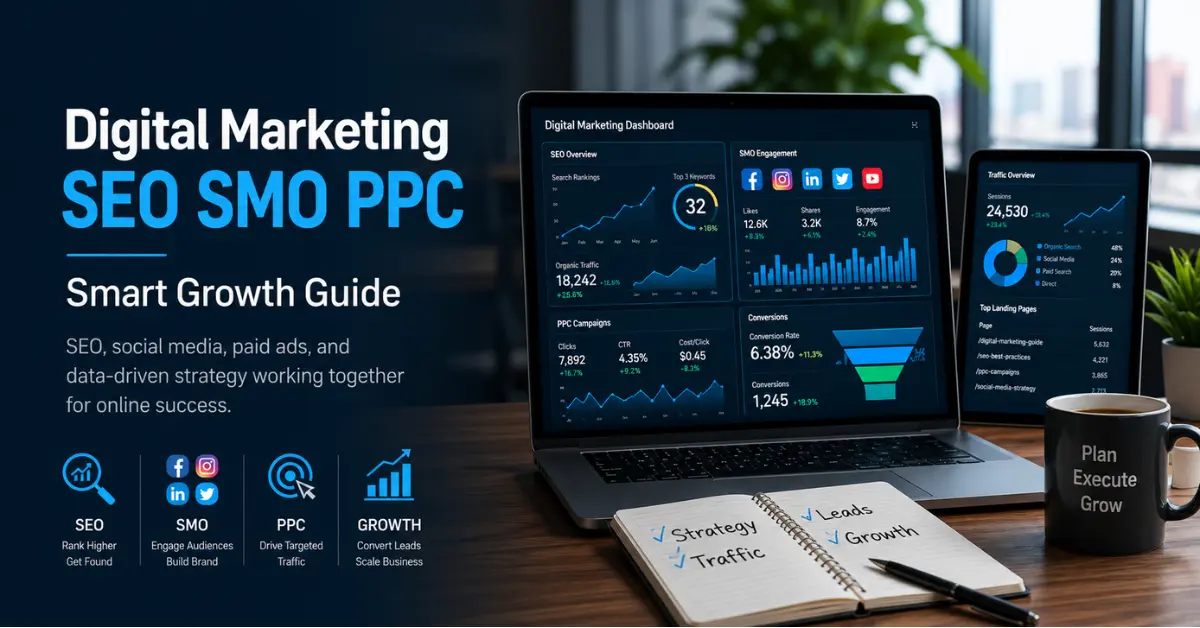
Digital marketing can feel confusing when you hear terms like SEO, SMO, PPC, SEM, content marketing, and analytics at the same time. Many business owners know they need online marketing, but they do not always know where to start.
Should you focus on Google rankings? Should you run paid ads? Should you post on social media every day? Or should you combine everything?
That is exactly why understanding digital marketing SEO SMO PPC matters. These three areas work like the main engines of online growth. SEO helps people find your website through search engines. SMO helps your brand grow on social platforms. PPC helps you get fast traffic through paid ads.
The real power comes when you use them together with a clear strategy. In this article, you will learn what SEO, SMO, and PPC mean, how they are different, when to use each one, and how to build a smart digital marketing plan that brings traffic, leads, and sales.
Table of Contents
What Is Digital Marketing?
Digital marketing means promoting a business, product, or service through online channels. These channels include search engines, websites, social media, email, paid ads, videos, blogs, and online communities.
The goal is simple: reach the right people, at the right time, with the right message.
A strong digital marketing strategy can help you:
- Increase website traffic
- Build brand awareness
- Generate leads
- Improve online visibility
- Grow sales
- Build customer trust
- Track results clearly
Digital marketing is not just about being online. It is about using online platforms with purpose. That is where digital marketing SEO SMO PPC becomes important for every modern business.
What Is SEO?
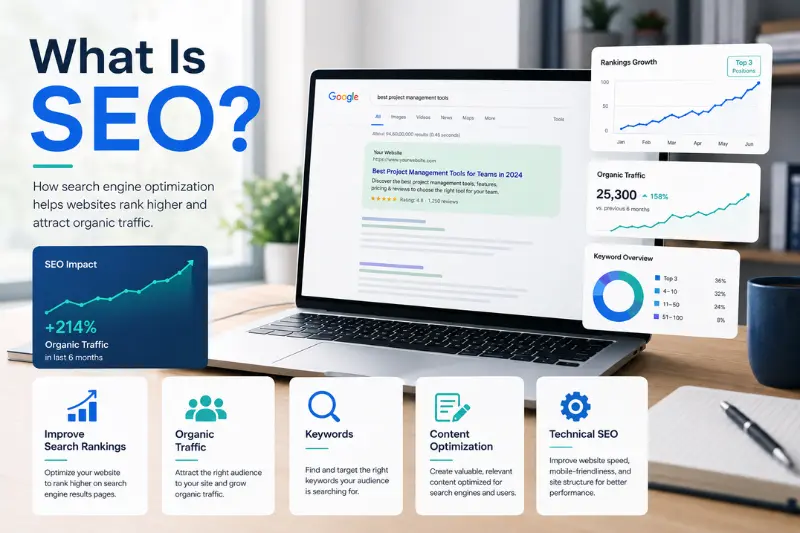
SEO stands for Search Engine Optimization. It is the process of improving your website so it can rank higher on search engines like Google, Bing, and Yahoo.
When someone searches for a product, service, or answer related to your business, SEO helps your website appear in the results. You do not pay for each click from organic SEO traffic.
Main Parts of SEO
SEO includes several important areas:
- Keyword research
- On-page SEO
- Technical SEO
- Content optimization
- Internal linking
- Backlink building
- Local SEO
- Page speed improvement
- Mobile-friendly design
- Search intent matching
Why SEO Matters
SEO is powerful because it builds long-term visibility. Paid ads stop when your budget ends, but good SEO can keep bringing traffic for months or even years.
SEO helps your business:
- Get free organic traffic
- Build trust with users
- Improve search visibility
- Attract people with real interest
- Reduce long-term advertising costs
- Build authority in your niche
When Should You Use SEO?
Use SEO when you want long-term growth. It is best for businesses that want to rank for important keywords, build authority, and get consistent traffic over time.
SEO is especially useful for:
- Blogs
- Local businesses
- Service websites
- eCommerce stores
- SaaS companies
- Educational websites
- Affiliate websites
SEO takes time, but it creates strong long-term value.
What Is SMO?
SMO stands for Social Media Optimization. It means improving your social media presence so more people discover, follow, engage with, and trust your brand.
SMO is not just posting random content. It includes profile optimization, content planning, audience engagement, hashtag strategy, platform selection, and performance tracking.
Popular SMO Platforms
SMO can include platforms like:
- X
- YouTube
- TikTok
The right platform depends on your audience. A fashion brand may do well on Instagram and TikTok. A B2B company may get better results from LinkedIn.
Why SMO Matters
SMO helps your business look active, trustworthy, and human. People often check social media before buying from a brand. If your pages look empty or outdated, they may lose trust.
SMO helps you:
- Build brand awareness
- Connect with customers
- Share updates quickly
- Build a loyal community
- Drive referral traffic
- Improve brand trust
- Support content distribution
When Should You Use SMO?
Use SMO when your goal is brand awareness, audience engagement, and customer connection.
SMO is especially useful for:
- Personal brands
- Local shops
- Restaurants
- Fashion brands
- Coaches and consultants
- Startups
- Lifestyle businesses
- Online stores
SMO may not always bring instant sales, but it builds visibility and trust over time.
What Is PPC?
PPC stands for Pay-Per-Click. It is a paid advertising model where you pay when someone clicks your ad.
PPC ads can appear on Google, Bing, Facebook, Instagram, LinkedIn, YouTube, and other platforms. Unlike SEO, PPC can bring traffic quickly because your ad can appear almost immediately after launch.
Common PPC Channels
PPC can include:
- Google Ads
- Bing Ads
- Facebook Ads
- Instagram Ads
- YouTube Ads
- LinkedIn Ads
- Display ads
- Retargeting ads
- Shopping ads
Why PPC Matters
PPC is useful when you need fast visibility. If your website is new and SEO has not started ranking yet, PPC can help you reach customers quickly.
PPC helps you:
- Get quick traffic
- Test keywords
- Promote offers
- Generate leads fast
- Reach specific audiences
- Control daily budget
- Track conversions
- Retarget past visitors
When Should You Use PPC?
Use PPC when you need fast results. It works well for product launches, seasonal offers, lead generation, local services, and competitive keywords.
PPC is especially useful when:
- You need leads quickly
- You have a clear offer
- You have a good landing page
- You can track conversions
- You want to test market demand
- You want instant search visibility
PPC can bring fast results, but it needs careful management. Without tracking and optimization, it can waste money.
What Is SEM?
SEM stands for Search Engine Marketing. Many people use SEM to describe paid search ads, but in a broader sense, it can include both paid and organic search visibility.
SEO focuses on organic rankings. PPC focuses on paid clicks. SEM focuses on gaining visibility in search engines through paid or combined search strategies.
A simple way to understand it:
- SEO means organic search growth.
- PPC means paid traffic.
- SEM means search engine visibility, often through paid search campaigns.
If your business wants to appear quickly in search results, SEM through PPC can help. If your business wants long-term search growth, SEO is important.
SEO vs SMO vs PPC vs SEM: Key Differences
Here is a simple comparison to help you understand the difference.
| Strategy | Main Purpose | Speed | Cost Type | Best For |
|---|---|---|---|---|
| SEO | Organic search visibility | Slow to medium | Time and effort | Long-term traffic |
| SMO | Social media visibility | Medium | Content and management | Brand awareness |
| PPC | Paid traffic and leads | Fast | Pay per click | Quick results |
| SEM | Search visibility | Fast or mixed | Paid or combined | Search campaigns |
| Content Marketing | Trust and authority | Slow to medium | Content creation | Education and branding |
Each channel has a different role. SEO builds authority. SMO builds relationships. PPC brings quick traffic. SEM improves search visibility. Content marketing supports all of them.
This is why digital marketing SEO SMO PPC works best when you treat these channels as a connected system, not separate activities.
How SEO, SMO, and PPC Work Together
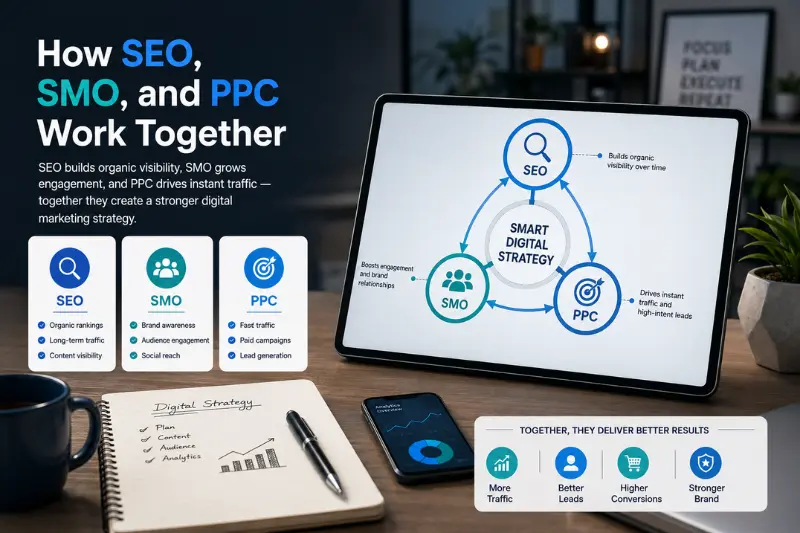
The strongest digital marketing strategy does not depend on only one channel. It connects SEO, SMO, and PPC so each one supports the others.
Here is how they work together:
PPC Tests Fast
PPC helps you test keywords, offers, headlines, and landing pages quickly. You can see which keywords bring clicks, leads, and sales.
SEO Builds Long-Term Growth
Once PPC shows which keywords convert well, you can use those keywords in your SEO content. This helps you build long-term organic rankings around proven topics.
SMO Amplifies Content
After you publish SEO content, SMO helps you share it across social platforms. This brings more visitors, engagement, and brand exposure.
Analytics Connects Everything
Analytics shows which channel brings the best results. You can track traffic, conversions, cost per lead, and return on investment.
A smart digital marketing SEO SMO PPC strategy uses PPC for speed, SEO for stability, and SMO for visibility and trust.
Which Strategy Should You Choose First?
The best strategy depends on your goal, budget, timeline, and business type.
Choose SEO First If:
- You want long-term traffic
- You have time to grow slowly
- You want to reduce ad dependency
- You run a blog or service website
- Your audience searches on Google
Choose SMO First If:
- You want brand awareness
- Your audience is active on social media
- Your business needs community engagement
- You sell visual products
- You want to build a personal brand
Choose PPC First If:
- You need leads quickly
- You have a clear offer
- You can spend on ads
- You want to test demand
- You have a strong landing page
Choose a Combination If:
- You want fast and long-term results
- You want to build a complete online presence
- You have a competitive industry
- You want search traffic and social visibility
- You want to scale your business
For most businesses, the best answer is not SEO or SMO or PPC. The best answer is using the right mix at the right time.
Best Strategy by Business Type
Different businesses need different digital marketing plans.
| Business Type | Best Starting Strategy | Why |
|---|---|---|
| Local service business | Local SEO + PPC | People search for nearby services and quick solutions |
| eCommerce store | PPC + SEO + social media | Products need traffic, trust, and repeat buyers |
| Personal brand | SMO + content marketing | Authority grows through visibility and connection |
| B2B company | SEO + LinkedIn SMO + PPC | Buyers need research, trust, and lead nurturing |
| Restaurant or cafe | SMO + local SEO | Visual content and local searches matter |
| New startup | PPC testing + content + SMO | Startups need quick feedback and brand awareness |
| Blog website | SEO + content marketing | Organic traffic builds long-term value |
This practical approach makes digital marketing SEO SMO PPC easier to understand because it connects each channel to a real business need.
30-60-90 Day Digital Marketing Plan
A clear timeline helps you avoid confusion. Here is a simple 90-day plan.
First 30 Days: Build the Foundation
Start with research and setup.
Tasks to complete:
- Audit your website
- Research keywords
- Study your audience
- Optimize social media profiles
- Set up Google Analytics
- Set up conversion tracking
- Improve website speed
- Fix basic technical SEO issues
- Create a content calendar
- Choose your main platforms
The first month is not about doing everything. It is about building the base correctly.
Days 31 to 60: Launch and Test
Now start taking action.
Tasks to complete:
- Publish SEO-friendly content
- Start social media posting
- Test small PPC campaigns
- Create landing pages
- Add internal links
- Build email capture forms
- Track clicks and conversions
- Test headlines and calls to action
This stage helps you understand what works.
Days 61 to 90: Optimize and Scale
Now use data to improve results.
Tasks to complete:
- Increase budget on winning ads
- Pause weak PPC campaigns
- Update underperforming content
- Improve landing pages
- Build backlinks
- Repurpose blog content into social posts
- Review conversion data
- Plan the next content topics
- Improve your best-performing pages
This is where growth becomes smarter. You stop guessing and start making decisions based on data.
Common Mistakes to Avoid
Many businesses fail in digital marketing because they use the right channels in the wrong way.
1. Running PPC Without a Landing Page
Sending paid traffic to a weak homepage can waste money. A focused landing page usually converts better.
2. Ignoring SEO Because It Takes Time
SEO is slow, but it builds long-term value. If you ignore it, you may depend on paid ads forever.
3. Posting on Social Media Without Strategy
Random posts rarely build trust. Every post should educate, inspire, answer a question, or move people toward action.
4. Measuring Likes Instead of Leads
Likes and views are useful, but leads, sales, calls, and sign-ups matter more.
5. Using the Same Content Everywhere
Each platform has a different style. A LinkedIn post should not look exactly like an Instagram caption or blog paragraph.
6. Not Tracking Conversions
Without tracking, you cannot know which channel brings real business results.
7. Stopping Too Early
SEO, SMO, and PPC need testing. Many businesses quit before the data becomes useful.
Modern Digital Marketing Trends in 2026
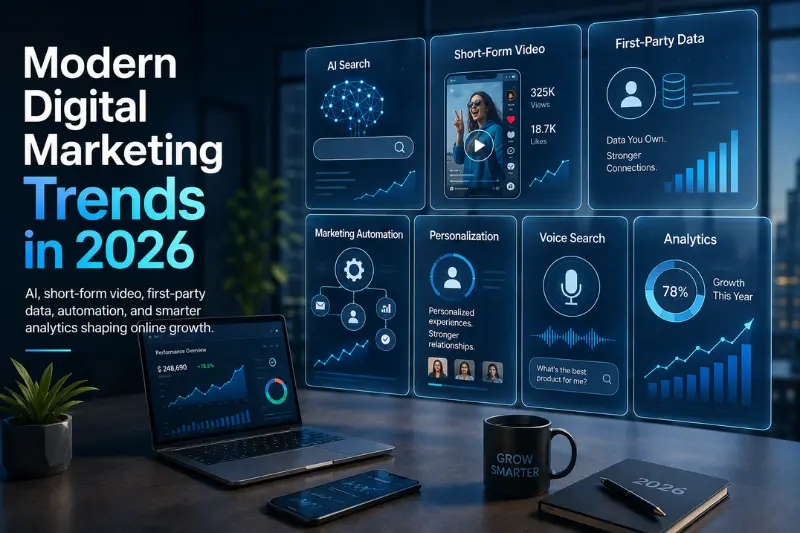
Digital marketing keeps changing. A smart strategy must stay updated.
Here are important trends to understand:
AI Search Visibility
Search is changing with AI answers and AI-powered results. Businesses need clear, helpful, well-structured content that answers real questions.
Helpful Content
Search engines prefer content that helps people. Thin, copied, or keyword-stuffed content is not enough.
Short-Form Video
Short videos on TikTok, Instagram Reels, YouTube Shorts, and Facebook can increase reach and brand awareness.
First-Party Data
Businesses should collect their own leads through email lists, forms, and customer databases instead of relying only on social platforms.
Conversion Tracking
Tracking is now essential. Businesses must know which campaigns bring leads and sales.
Local SEO
Local searches continue to matter for service businesses, restaurants, clinics, shops, and professionals.
Brand Trust
People buy from brands they trust. Reviews, case studies, helpful content, and active social media all support trust.
A future-ready digital marketing SEO SMO PPC strategy should focus on trust, helpful content, data, and real customer needs.
How to Measure Success
Each channel has different success metrics.
SEO Metrics
Track:
- Organic traffic
- Keyword rankings
- Click-through rate
- Indexed pages
- Backlinks
- Time on page
- Conversions from organic traffic
SMO Metrics
Track:
- Reach
- Engagement
- Follower growth
- Shares
- Comments
- Profile visits
- Website clicks from social media
PPC Metrics
Track:
- Cost per click
- Click-through rate
- Conversion rate
- Cost per lead
- Return on ad spend
- Quality score
- Landing page performance
Overall Business Metrics
Track:
- Leads
- Sales
- Calls
- Bookings
- Revenue
- Customer acquisition cost
- Return on investment
The best digital marketing strategy connects marketing numbers to business results.
Final Verdict
Digital marketing is not about choosing random channels. It is about using the right channel for the right goal.
SEO gives your business long-term organic traffic. SMO helps your brand connect with people and build trust. PPC brings fast traffic and leads when you need quick results. SEM improves your visibility in search engines, especially through paid campaigns. Content marketing supports all of these channels by educating and converting your audience.
The most effective digital marketing SEO SMO PPC strategy uses each channel with purpose. Start with your goal, understand your audience, choose the right platform, track your results, and improve your campaigns over time.
If you want quick leads, start with PPC. If you want long-term traffic, build SEO. If you want stronger brand awareness, use SMO. If you want a complete growth system, combine all three with content, analytics, and conversion tracking.
Smart digital marketing is not about doing more. It is about doing what matters most.
FAQs
What is digital marketing SEO SMO PPC?
Digital marketing SEO SMO PPC means using search engine optimization, social media optimization, and pay-per-click advertising together to grow online visibility, traffic, leads, and sales.
What is the difference between SEO, SMO, and PPC?
SEO focuses on organic search rankings. SMO focuses on social media visibility and engagement. PPC focuses on paid ads where you pay for clicks.
Is SEM the same as PPC?
SEM often refers to paid search advertising, but it can also relate to wider search engine visibility. PPC is a paid advertising model, while SEM focuses on search engine marketing.
Which is better: SEO, SMO, or PPC?
No single channel is always better. SEO is best for long-term traffic, SMO is best for brand engagement, and PPC is best for quick results.
Is SEO free?
SEO does not require payment for each click, but it still needs investment in content, tools, technical improvements, and optimization.
Is PPC good for small businesses?
Yes, PPC can work for small businesses if they use a clear budget, strong targeting, good landing pages, and proper conversion tracking.
How does SMO help a business?
SMO helps a business build brand awareness, connect with customers, share content, increase engagement, and drive referral traffic from social media platforms.
Can SEO and PPC work together?
Yes. PPC can test high-converting keywords quickly, and SEO can use those insights to build long-term organic content.
What is the role of content marketing?
Content marketing supports SEO, SMO, and PPC by educating users, building trust, answering questions, and guiding people toward action.
Which digital marketing strategy gives the fastest results?
PPC usually gives the fastest results because paid ads can start bringing traffic soon after launch.
Which strategy is best for long-term growth?
SEO is usually best for long-term growth because it builds organic visibility and authority over time.
How should beginners start digital marketing?
Beginners should start with clear goals, basic SEO, optimized social media profiles, helpful content, and simple tracking. After that, they can test PPC with a small budget.
